

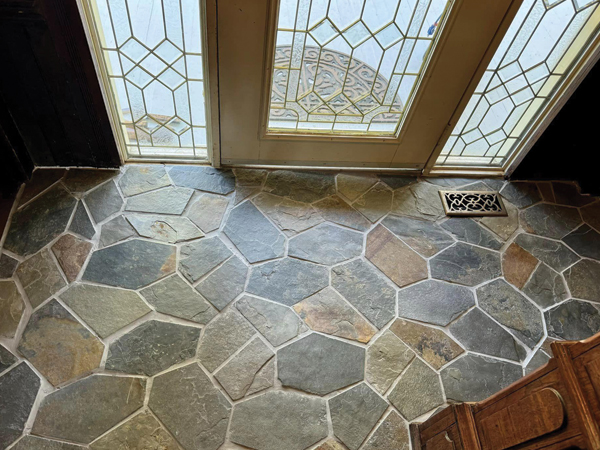
You fall in love with a stone floor for how it looks. You love it long-term for how it lives with you. That’s where cleaning and upkeep really matter. If you’re juggling kids, pets, base access, or long shifts, the “wrong” stone can feel like one more chore on your list. The “right” one just blends into your routine without demanding extra time.
Let’s walk through how to match natural stone to the way you actually clean, not the way you wish you cleaned.
Start with an honest look at your habits
Before you pick a material, be blunt with yourself about three things:
- How often you really sweep or vacuum
- Whether you spot-clean spills right away or “get to them later”
- If you’re okay with occasional professional help, like resealing
If you’re a “quick clean on Saturday and that’s about it” person, you need a stone that’s forgiving of dust, muddy paw prints, and the rock salt that shows up every winter. On the other hand, if you already keep a tidy home and don’t mind light daily cleaning, you can consider more delicate options.
Browsing different textures and finishes in our natural stone collection can help you visualize what will hide everyday mess versus what will show every footprint.
Matching stone types to your cleaning style
Different stones age and clean very differently, even if they look similar in a photo.
Low-maintenance mindset (minimal fuss, busy household) If you want durability and easy cleaning with as little babysitting as possible:
- Slate and some textured granites are great for entryways, mudrooms, and busy kitchens. Their natural variation hides dust and small crumbs, and a quick sweep plus damp mop is usually enough.
- A honed (matte) finish instead of a glossy polish is your friend. It shows fewer streaks and water spots, which matters when kids and pets are running in from the yard or garage.
Moderate-maintenance mindset (okay with a little extra care) If you don’t mind a bit more routine:
- Travertine and softer limestones give a warm, classic look but need regular sealing and pH-neutral cleaners. Great when you like to stay on top of housekeeping and want that soft, old-world feel.
- A filled and honed travertine (pores filled in, matte finish) is easier to keep clean than a rough, open-pored version.
High-maintenance mindset (you love to baby a beautiful surface) If you’re willing to pamper your floor for that “wow” factor:
- Polished marble can be stunning in a powder bath or formal dining room, but it shows etching from acidic spills (think orange juice, soda, or wine). It’s best in spaces that don’t see daily splashes and heavy traffic.
- You’ll need gentle cleaners and a good sealant schedule, plus a willingness to wipe up spills quickly.
If you love the look of stone but know deep down you’re not up for the upkeep, it can help to compare true stone with realistic lookalikes in our sheet vinyl catalog, especially for basements or laundry rooms where moisture is a concern.
Daily, weekly, and “once in a while” care
Whatever stone you choose, there are some simple habits that keep it looking good without turning you into a full-time housekeeper.
Daily / as-needed
- Dry grit is what scratches stone, especially in winter. A quick sweep or vacuum on hard-floor mode picks up salt and dirt before they grind in.
- Wipe spills with a soft cloth and a pH-neutral cleaner or just water. Avoid vinegar, bleach, or generic bathroom cleaners; they can dull or etch the surface.
Weekly
- Damp mop with warm water and a cleaner made for stone. Think more “light film removal” than “heavy scrubbing.”
- Door mats at entries do a lot of the work for you. In areas with basement steps or garage entries, using mats inside and out cuts down on tracked-in mess.
Occasional
- Sealing schedules vary by stone and finish, but most floors do well with resealing every 1–3 years. High-traffic kitchens and mudrooms may need it more often than a guest bath.
- If you’re not sure what you have or how it was sealed, we can walk you through options when you’re looking at flooring services for installation or repair.
In our climate, with snowy winters and humid summers, that combination of mats, gentle cleaners, and periodic sealing usually keeps stone floors in good shape without a lot of drama.
Lifestyle examples: what tends to work where
Sometimes it’s easier to think in real-life scenarios rather than just stone names.
- Young family with pets: Textured slate or honed granite in the kitchen and entry, where paw prints and spills are common. You’ll sweep a few times a week and mop when needed, but the pattern hides day-to-day mess.
- Entertaining-focused couple: Travertine in the kitchen and living area if you’re okay with a softer, lived-in patina over time; or a denser stone in a honed finish if you want something a bit tougher.
- Formal spaces: Polished marble in a powder bath used mostly by guests, where you can control what gets set on the counter and floor.
- Basement hangout: True stone can work if moisture is controlled, but many homeowners end up mixing materials, pairing stone in the bar or bath area with another surface nearby. If you’re comparing options, you can pull ideas from our flooring inspiration galleries and see how different rooms pair materials.
The key idea: your cleaning routine should drive the stone choice, not the other way around. If the material fits your habits, you won’t resent it later.
Bringing it all together
When you match stone to your actual lifestyle—how often you clean, how your family uses each room, and how much maintenance you’re willing to take on—you get a floor that looks beautiful and feels realistic to live with.
If you’d like help narrowing down specific stones and finishes for your home, you can start by requesting a free estimate; we’ll talk through your routine, your rooms, and your style so the stone you choose feels as easy to care for as it is to admire.


